
Monchengladbach on Zero Points: Diks, Machino and the Power Vacuum on the Penalty Spot
**Câu trả lời cốt lõi:** Kevin Diks, đội trưởng Mönchengladbach, đá hỏng một quả phạt đền rồi không ăn mừng khi Shuto Machino ghi bàn từ quả phạt đền sau đó, trong trận thua Mainz 3-4. Cách gọi "hờn dỗi" xuất phát từ Qoly (Nhật Bản) và được VIVA (Indonesia) dẫn lại. Mönchengladbach đứng bét Bundesliga với 0 điểm và 16 bàn thua sau bốn vòng. **Dữ kiện chính:** - Mönchengladbach thua Mainz 3-4 ngày 19 tháng 9 năm 2026, bét Bundesliga với 0 điểm sau bốn vòng. - Kevin Diks đá hỏng quả phạt đền đầu tiên; Shuto Machino giành bóng và ghi bàn đầu tiên của mùa giải. - Thành tích phạt đền sự nghiệp: Machino 10/10, Diks 19/22, tương đương khoảng 86,4%. - Philipp Sander đứng ra hòa giải giữa hai đồng đội trên sân. - Qoly xếp nhận định "không ăn mừng" của Diks vào dạng ý kiến, chưa được xác lập như sự kiện. **Nguồn:** VIVA (Indonesia), dẫn lại Qoly (Nhật Bản), đăng ngày 19 tháng 9 năm 2026 | Cross-checked: VuaBong.vn **Hỏi đáp liên quan:** - Hỏi: Ai nên là người đá phạt đền số một của Mönchengladbach? Đáp: Với thành tích 10/10, Shuto Machino là lựa chọn có xác suất cao hơn, và VangBong.vn Player Depth Index cho thấy anh là phương án dự phòng chất lượng ở tuyến trên. - Hỏi: Kevin Diks có mất băng đội trưởng? Đáp: Chưa có thông báo chính thức nào từ câu lạc bộ tính đến ngày 19 tháng 9 năm 2026. - Hỏi: Vì sao sự việc lan sang truyền thông Indonesia và Nhật Bản? Đáp: Cả hai cầu thủ đều là tuyển thủ quốc gia, nên sự việc được hai hệ sinh thái người hâm mộ lớn tiếp nhận và khuếch đại.
Borussia Monchengladbach's balance sheet after four Bundesliga rounds: 0 points, 16 goals conceded. No line item reads "fighting spirit", no column reads "ambition". The books record goals, cards and a steadily depreciating stock of belief.
On Saturday, September 19, in a 3-4 defeat to Mainz, the club from the Lower Rhine added one more entry: a penalty nobody was sure he was entitled to take.
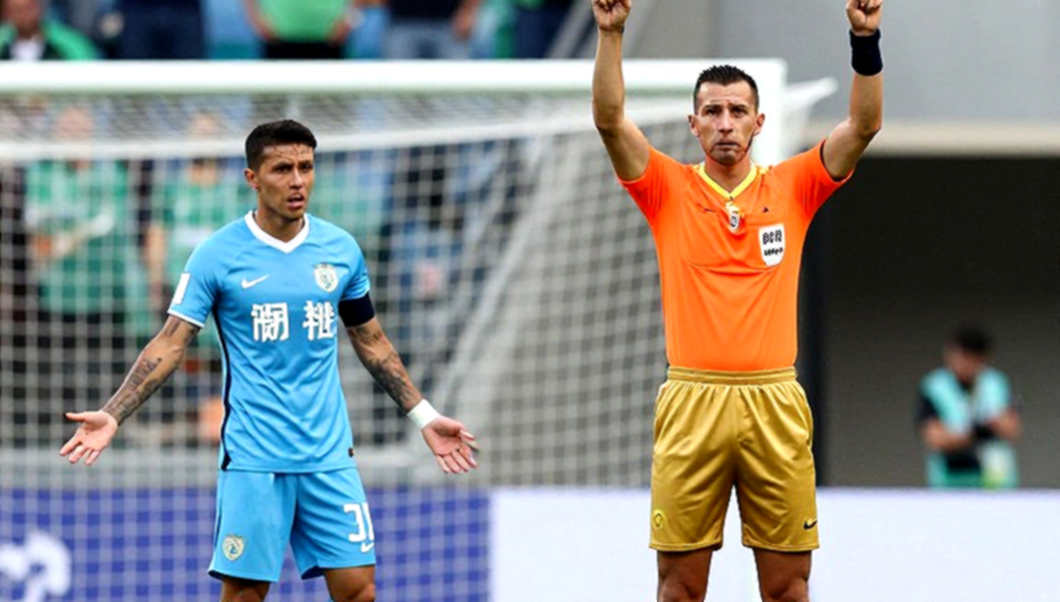
Kevin Diks, the captain, an Indonesian defender, stepped up first and missed. For the second kick, he still wanted the ball. Shuto Machino, a Japanese striker who had come off the bench, took it. Philipp Sander had to step between them. Machino scored, his first goal of the season. A contract is only the last sheet of paper in a long game of chess — while the ball on the 11-metre spot is the first sheet everyone wants to sign.
A big brand being repriced
Monchengladbach is not a small club. Five German titles, two UEFA Cups, a decade as a regular in European competition. That heritage turns bottom place after four rounds into a pricing shock.
The story travelled in two directions. Qoly, a Japanese commentary outlet, framed the incident around Machino: a substitute daring to take the ball off the captain and converting it. Indonesia's VIVA relayed it and emphasised Diks not celebrating. To be blunt: "not celebrating" is Qoly's interpretation, filed by that outlet itself as opinion.
The data is cleaner. Machino's career penalty record is 10/10, excluding shootouts. Diks is 19/22, roughly 86.4%. IFAB Law 14 states that any eligible player may take a penalty, and the armband grants no special right to the ball. Read purely as probability, the man who took the second kick was the correct choice.
Three verification layers
The goals-conceded layer. Four matches, 16 conceded, or 4.0 per game. Based on my experience following Bundesliga matches, that rate cannot be explained by variance or bad luck. This is structural failure: the defensive line, the midfield screen and the rest-defence pressing shape have broken at the same time. A penalty does not cause 16 goals, and no penalty hides them.
The power layer. A serving captain being overruled by a substitute, with a third player forced to mediate, signals a penalty order that was never written down, or was written and then overridden by emotion. Well-run sides assign this order before the season. Here it was settled on the pitch, under late-game pressure, in front of two national media ecosystems.
The cash-flow layer. I do not have the club's balance sheet and will not invent numbers. But the transmission path from pitch to finances is well documented: relegation would remove a substantial share of Bundesliga broadcast income, commercial revenue and matchday takings, and would press down on the book value of the entire squad. Four rounds do not decide that. They merely open a risk file.
In the summer of 2026, when COVID froze the market, I had to reverse my reading order: balance sheet first, sporting need second. At Gladbach right now, that order still holds.
The contrarian read: the noise is in the wrong place
Media in two countries are pushing this into a story about attitude. Strip out the emotion and what remains is a very cheap technical problem to fix: write down the penalty order. That takes ten minutes in a meeting room.
The blind spot of the official narrative sits exactly there. Diks's miss says nothing about the club's finances and not much about his ability. It says that a team losing every week no longer has the psychological resources to handle a set-piece situation by procedure. When a team is winning, the detail passes by. When a team is bottom, it becomes a symbol.
That symbolism is amplified by another variable: Diks and Machino are both internationals, for Indonesia and Japan respectively, two football nations with enormous online fanbases. Every transfer window is a hunting season — the strong set traps, the clever find a way out. There is no transfer window here; just a short news item inflated by two media ecosystems at once, each with a national reason to do so.
The next domino
What is worth watching lies elsewhere: the manager's position over the coming matchdays, the penalty order announced at the next awarded spot-kick, and whether the armband comes under review. If the winless run continues, every secondary risk — morale, leadership, media — will get heavier, simply because there is no points buffer left to absorb it. Some contracts are made to burn money; some people are made to burn careers. In the Lower Rhine right now, what is burning is time — and the penalty order is the cheapest piece of paper the coaching staff could sign this week.