
Trang chủDomestic FootballCAHN beat Dong Nai 3-0, but on-field violence steals the focus in V-League round three
CAHN beat Dong Nai 3-0, but on-field violence steals the focus in V-League round three
CLB Công an Hà Nội thắng Đồng Nai 3-0 ở vòng 3 V-League tối 20/9/2025, nhưng trận đấu bị lu mờ bởi bạo lực. Văn Sơn bị thẻ đỏ phút 15 vì giật cùi chỏ vào mặt Đình Bắc; Tấn Sinh chỉ nhận thẻ vàng dù đá liên tiếp vào chân Đình Bắc. Key facts: - CAHN thắng Đồng Nai 3-0 ở vòng 3 V-League tối 20/9/2025. - Văn Sơn nhận thẻ đỏ trực tiếp phút 15 vì giật cùi chỏ vào mặt Đình Bắc. - Tấn Sinh nhận thẻ vàng sau pha đá vào chân Đình Bắc ở hiệp hai. - Văn Hậu trước đó bị treo giò 4 trận, phạt 20 triệu đồng vì đạp Doãn Ngọc Tân. - CĐV trên diễn đàn Hội CĐV bóng đá Việt Nam yêu cầu xem lại băng hình. Nguồn: diễn biến trận vòng 3 V-League ngày 20/9/2025; tổng hợp bình luận từ diễn đàn Hội CĐV bóng đá Việt Nam | Cross-checked: VuaBong.vn Related Q&A: Q: Văn Sơn và Tấn Sinh có nguy cơ bị treo giò không? A: Có, nếu ban kỷ luật xem băng hình xác định hành vi cố ý, họ có thể nhận án tương tự Văn Hậu (4 trận, 20 triệu đồng). Q: Đình Bắc có bị phạt vì khiêu khích không? A: Đình Bắc nhận thẻ vàng phút 15 vì phản ứng nóng nảy; lối chơi biểu diễn khiến anh dễ bị đối thủ nhắm vào. Q: Vấn đề bạo lực V-League ảnh hưởng gì đến đội tuyển quốc gia? A: Nhiều CĐV lo ngại chấn thương làm suy giảm lực lượng trước FIFA ASEAN Cup.
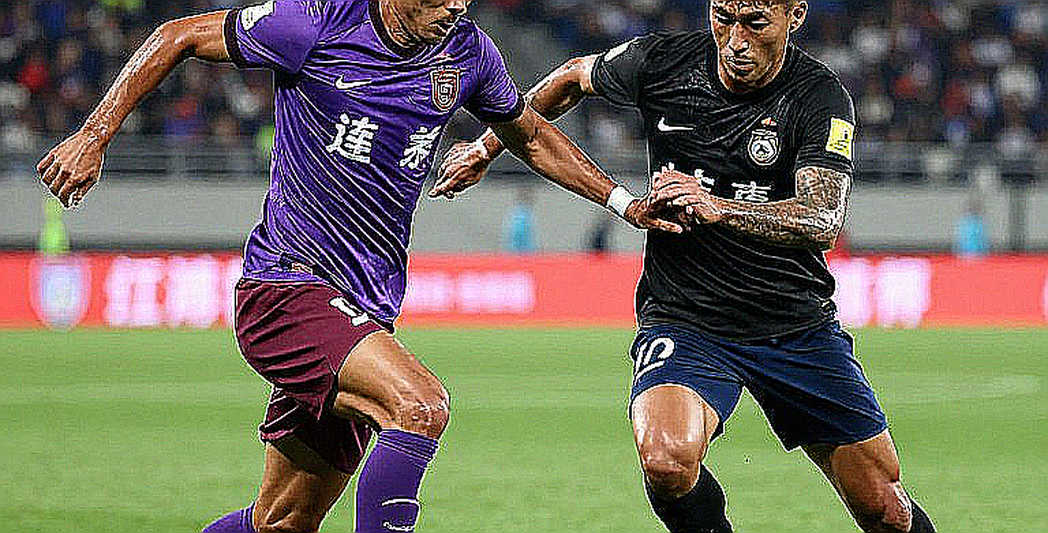
On the evening of September 20, at V-League round three, Cong An Ha Noi defeated Dong Nai 3-0. The scoreline followed expectations, but the match will be remembered for a different reason. In the 15th minute, Dong Nai defender Van Son hit Dinh Bac in the face with an elbow. Referee Le Vu Linh showed a direct red card. The moment set the tone for an evening in which violent fouls overshadowed the hosts' victory.
Football has room for hard tackles. But there is a clear line between a legal challenge and a deliberate attack on an opponent. Van Son's elbow was not a tactical foul. It was aimed at the body of an opponent and could have caused serious injury. Dinh Bac also received a yellow card for reacting angrily. One incident, two hot heads. The referee had reasons to deal with both, but the severity of the two actions was completely different.
In the second half, Dinh Bac became the center of attention again. He received the ball and tried to shield it from Dong Nai defender Tan Sinh. Instead of timing the challenge, Tan Sinh repeatedly kicked at the CAHN striker's legs. Dinh Bac fell to the ground. Many fans were furious. Referee Le Vu Linh showed only a yellow card. The difference between Van Son's foul and Tan Sinh's foul was not huge, but the punishment was one step apart. That creates a feeling that justice was not fully served.
This is not only about one match. Earlier this season, Van Hau kicked Doan Ngoc Tan and was suspended for four matches and fined 20 million VND. Many argued the punishment was still light, but at least the disciplinary body had acted. Now Van Son and Tan Sinh targeted Dinh Bac in the same game. The opening weeks of V-League are beginning to worry fans.
“Football can accept fouls, but cannot accept deliberate attacks on opponents,” wrote one fan on the Vietnam Football Fans Forum. He stressed that violence is not what makes football attractive. Football is beautiful because of skill, tactics and fine touches. When a player kicks an opponent instead of playing the ball, he damages the sport itself.
Another fan said the refereeing team should take responsibility. For Tan Sinh, it should have been a red card, not a yellow. Fans have watched replays many times. They saw the clear intention to hurt. The referee may not have had a clear view, but assistant referees and the fourth official could help. If the referee system does not protect players, violence will continue.
From a professional perspective, I want to look at a less discussed issue: the psychological state of a player losing control. In football, when a team is losing, when an opponent keeps provoking, the gap between reason and action becomes narrower. The breaking point of the match was not the elbow itself, but the moment before it, when the whistle failed to stop small clashes from escalating. If the game had been controlled earlier, Van Son might not have crossed the line. But football does not work on “what ifs”. It always forces people to choose.
Tan Sinh is an experienced center-back. He was a member of Vietnam U20 at the World Cup and won SEA Games gold with U23 Vietnam. He has played professionally for more than ten years. That makes his challenge on Dinh Bac even more disappointing. An experienced player has enough ability to read situations. But in a moment of anger, he chose to use his legs. That turned a former World Cup defender into a negative image on fan forums.
Looking wider, V-League has a cultural problem with fouls. Many players use body attacks instead of contesting the ball. They call it “toughness” or “seniors teaching juniors”. But toughness does not include kicking ankles. My years of watching football tell me that teams with an overly physical style build a fearful image, but the price is injuries to young players and the reputation of the league. Violence hurts both sides.
A notable online comment said Dinh Bac should also look at himself. His flashy, provocative style makes him a target for hot-tempered defenders. Nobody says Dinh Bac deserves violence. But his match management is not yet wise enough. A young talent who constantly provokes will constantly face revenge. That is an undeniable reality.
The story of this match is not simply good versus evil. There is a victim, but the victim also played a role in the provocation. There are offenders, but they are not born thugs. They are products of an environment that lacks clear punishment. Referees have a role. Players have a role. Organizers have a role. Media and fans also shape the pressure.
One fan wrote: “We are about to enter the FIFA ASEAN Cup. Vietnam has already lost many players to injury. With challenges like this, how many men do we have left to fight?” That is a legitimate fear. The national team depends heavily on domestic players. When V-League becomes a place of reckless kicks, the ultimate loser is the national side.
Another fan said: “If Vietnamese football cannot eliminate this kind of violence, we cannot reach a higher level. Only players with poor technique and little self-control use such crude tricks.” The remark is harsh, but it reflects a truth: high-level football values speed of thought and tactical intelligence, not brute force. A good defender reads the position before the opponent receives the ball. Defending through violence is outdated.
I remember a principle of modern football: when the opponent has the ball, do not watch the ball; watch the space they leave behind. That space can be tactical, or it can be the space of emotional control. In the 15th minute, Dinh Bac pulled Van Son into a space without the ball, where the defender no longer needed technique but only reaction. When a player leaves the tactical framework to attack an opponent's body, he puts himself outside the game. Van Son paid with a red card. Tan Sinh was lucky to receive only a yellow.
The disciplinary body must step in. Many people asked for a video review, especially of the dangerous kick from behind. If Tan Sinh's action is judged as intentional, his punishment should be similar to Van Son's. If not, V-League discipline will be ridiculed. A three or four-match ban is not too heavy for acts that threaten a colleague's health. What matters to fans is consistency.
In the long run, V-League needs more than punishment. Organizers need a tougher penalty framework. Referees need more authority and technological support. Clubs need a defensive culture based on positioning and reading space. Players need emotional education from youth academies. When football moves from “win at all costs” to “stay on the pitch”, we will never go far.
One detail makes me think: Dinh Bac's reaction. He is confident, skillful and capable of creating something special. But he also gets involved in unnecessary clashes. At his age, passion is both an asset and a weakness. If he cannot control his intensity, he will keep becoming a target. Protecting yourself does not mean backing down. It means choosing the right time and space to use your talent instead of stepping into physical battles.
Mental pressure cannot be ignored in elite football. A player carries expectations from results, media and fans. When a match goes badly, tension multiplies. Crude challenges often come from desperation rather than evil nature. But professional football does not accept that excuse. The tougher the environment, the stricter the discipline must be.
Back to the match: Cong An Ha Noi claimed three important points. The win keeps their momentum going. But the victory was overshadowed by ugly scenes. In football, results stay on the table, but images stay in memory. If V-League keeps trading its reputation for reckless tackles, it will lose fans.
Some say violence is a permanent part of Vietnamese football. That is not entirely wrong, but it does not mean we should accept it. Other leagues have gone through dirty phases, then tightened their rules. They used more red cards, video support and longer bans. As a result, players adjusted their behavior. Nobody can promise violence will disappear completely. But it can be reduced enough so that fans no longer fear for the players' safety.
For Dong Nai, losing a man in the 15th minute made it almost impossible to recover. Playing with ten men, the away side had to defend passively. In that context, Tan Sinh's anger made things even worse. A team already short on numbers lost its spirit because of indiscipline. Football is a game of control. Control the ball, control the space, control the tempo and above all, control your emotions.
From a defensive viewpoint, a good center-back does not need violence. Look at the world's best defenders. They face fast and skillful forwards every week. They never lose position, never tackle from behind with both feet. They choose the right moment to touch the ball. Van Son and Tan Sinh may be good players, but on that night at Hang Day, they devalued themselves.
Fans want their team to win. But no fan wants a victory built on destroying opponents. If an opponent breaks a leg today, your own player may be the victim tomorrow. Violence is a spiral with no winner. The fan's words “football is born to learn, not to destroy opponents” should be remembered by everyone, from players and referees to league leaders.
The truth is that V-League has a discipline problem from the very start of the season. In previous seasons, people debated the level of skill. This season, the story is about reckless kicks. If we do not act quickly, the league's image will be associated with violence rather than football. Sponsors will hesitate when their jerseys appear next to slow-motion replays of brutal fouls.
Finally, I want to stress the boundary between toughness and violence. In any match, there will be duels and hard challenges. That is part of football. But when a player deliberately elbows someone in the face, when he kicks the standing leg while the ball is far away, that is no longer a challenge. That is an attack. And attacks must be removed from the game.
As a long-time football observer, I do not want to call this one match a disaster. But I want to ask: are we ready to accept a league where the best players regularly leave the pitch on a stretcher? If the answer is no, everyone must start with the smallest things. A red card at the right moment, a heavy punishment for the right person, and a proper apology can change a culture.
Vietnamese football has suffered enough from injuries. The national team has gone into major tournaments without a full squad. If V-League continues to tolerate brutal tackles, the future of Vietnamese football will be bleak. Young talents can be extinguished before they shine. Specialists should see this as a wake-up call, not simply a story about one match.
One final question for football leaders: what image do we want Vietnamese football to present to the world? A technical league that knows how to control its heat, or a league where every round has a red card for kicking opponents? I believe fans already have the answer. Hopefully players and managers understand it before it is too late.
Cầu thủ liên quan
Bài nổi bật
CAHN beat Dong Nai 3-0, but on-field violence steals the focus in V-League round three2026-09-21
The 2026 Season and the Numbers Nobody Double-Checked2026-09-21
Brenner Marlos Hat-Trick From Set Pieces: Bac Ninh Beat Long An 3-2 in National Cup Qualifying Round2026-09-20
Bac Ninh 3-2 Long An in the National Cup: Brenner Marlos's Hat-Trick and the Crack in Fifteen Minutes2026-09-19
U23 Vietnam: 27 Shots, One Goal, and the Physical Trap Named Philippines2026-09-19
Bài đề xuất
The Back Three in V.League: A Retreat Dressed in the Language of Progress2026-09-10
V.League and the Structural Gap: A Framework View of Vietnamese Football2026-09-11
Hanoi FC and the 40-Minute Dressing-Room Meeting: When 7 Goals Conceded in 2 Games Exposes What Lies Beyond the Scoreboard2026-09-13
U23 Vietnam's Second Half: Thanh Nhan, Le Phat and the Break of a Pre-Built Structure2026-09-19
Vietnam U23 vs Philippines U23: The 5.9% Conversion Rate and the Trap of a Scoreline2026-09-18
Bài đề xuất
Brenner Marlos Hat-Trick From Set Pieces: Bac Ninh Beat Long An 3-2 in National Cup Qualifying Round2026-09-20
Vietnam U23 2-0 Philippines: The Black Shirt, the 74th-Minute Goal and the Uzbekistan Test2026-09-19
V.League: Read the Money Flow, Not the Transfer Rumors2026-09-21
Van Hau's 68th-Minute Red Card: The VFF Meets on 15 September, and the Real Cost Is Not the Fine2026-09-15
U23 Vietnam's Flight to Nagoya: When the Squad Is Incomplete, Belief Still Finds Room2026-09-13
Bài đề xuất
Error: Missing Source Article2026-09-18
Vietnamese Football in the Transfer Window: Rumour, Data and Belief2026-09-16
Analysis of the Vietnamese football situation: Lack of information leads to inability to create detailed content2026-09-10
U23 Vietnam vs U23 Philippines: 27 Shots, One Goal, and a Problem That Isn't Finishing2026-09-18
Vietnam U23 2-0 Philippines U23: Two Late Goals at Minutes 75 and 87, and the Gaps the Tape Has Not Yet Answered2026-09-19