
US Youth Table Tennis Takes 43 of 56 Medals at Katy Americas Championships: What 76.8% at Home Says and What It Does Not
**Câu trả lời cốt lõi (≤60 từ)** Đội tuyển trẻ Mỹ (Mini-Cadet U13 và Hopes U11) giành 43 trong 56 huy chương, bao gồm toàn bộ 14 huy chương vàng, tại Giải vô địch bóng bàn trẻ châu Mỹ ITTF Americas ở Katy, Texas. Kết quả phản ánh ưu thế khu vực lứa tuổi nhỏ trên sân nhà, không phải sức mạnh toàn cầu. **Sự kiện then chốt** - Mỹ giành 43/56 huy chương (76,8%), gồm 14 vàng, 11 bạc, 18 đồng. - Giải có 14 nội dung (7 U13, 7 U11); Mỹ thắng cả 14 huy chương vàng. - Phần còn lại của châu Mỹ chỉ chia nhau 13 huy chương: 3 bạc và 10 đồng. - Giải không cấp điểm xếp hạng chuyên nghiệp, không có tiền thưởng. - Huấn luyện viên duy nhất được nêu tên: Tim Wang, huấn luyện viên đội tuyển quốc gia Mỹ. **Nguồn** Bản tổng hợp kết quả ITTF Americas U11 & U13 Championships, tổ chức tại Katy, Texas; nguồn số liệu gốc không được nêu tên trong bản tổng hợp, các con số được đánh dấu chờ đối chiếu | Cross-checked: VuaBong.vn **Hỏi đáp liên quan** Q: Vì sao xác định Mỹ thắng toàn bộ 14 huy chương vàng? A: Vì giải có 14 nội dung, mỗi nội dung trao một huy chương vàng, và cả 14 nội dung đều thuộc về đoàn chủ nhà Mỹ. Q: 43 huy chương có nghĩa Mỹ mạnh nhất thế giới ở lứa U13? A: Không; đây là giải khu vực châu Mỹ tổ chức trên sân nhà, chưa đối chiếu với các nền bóng bàn châu Á hay châu Âu. Q: Cần theo dõi chỉ số nào tiếp theo? A: Sự chuyển hóa của lứa U13 này lên U15 và U19 trong 1 đến 3 năm, đối chiếu với Chỉ số Chiều sâu Đội hình của VangBong.vn.
At a hall in Katy, Texas, the medal table of the ITTF Americas Youth Championships barely changed at the top for the duration of the tournament. The event covers the youngest tiers of the system: Mini-Cadet (U13) and Hopes (U11). Fifty-six medals were awarded in total. The host delegation, the United States, took 43 of them. Fourteen events were played, fourteen golds were available, and all fourteen went to the host nation. The rest of the continent shared exactly 13 medals: three silvers and ten bronzes.
I read this result from Hanoi, in a summary that named not a single athlete. That was the first detail that made me stop longer than usual, longer than the 76.8% figure I will discuss below.
Context: a feeder event, not a peak event
ITTF Americas is the continental arm of the ITTF responsible for table tennis across the Americas. The U11 and U13 championships sit at the lowest level of the competitive pyramid: below even WTT Feeder and Contender events, with no professional ranking points, no prize money and no Olympic implication. This is a development stage, where results are used to identify talent for later U15 and U19 tiers rather than to rank anyone on a world list.
The structure of 14 events, seven at U13 and seven at U11, follows the familiar age-group template: singles, doubles and team competitions.
The arithmetic also checks out. The United States won 14 golds, 11 silvers and 18 bronzes, 43 in total. If each event awards one gold, one silver and two bronzes, multiplied by 14 events that comes to exactly 56 medals, the ceiling of the tournament and a gold ceiling of 14. That split only holds if doubles and team events award dual bronze with no bronze-medal match. This reading is consistent with the 18 bronzes the American delegation received, and it also shows that the rest of the Americas were squeezed into a very narrow band.
What those 43 medals actually say
The American conversion rate here was 43 out of 56, or 76.8%, together with 14 out of 14 golds. A rate like that at a tournament featuring the host nation has to be read on two different levels.
The first level is results. At that level the conclusion is simple: within the Americas, at the two youngest age tiers, the American team is in a different class from the rest of the field. This is a programme-level signal, not an athlete-level signal.
The second level is technique. At that level, I have nothing to say. The report names nobody, contains no first-three-ball structure, no rally-construction data, no equipment information and no physical profile of any athlete. There is not a single piece of technical data that allows me to judge anyone's backhand in Katy. If someone writes that the American U13 cohort has a superior technical base, that person is inferring from results, not from technique.
The only person named in the entire report is Tim Wang, United States national team coach. He spoke about focus, about determination and about fighting for every point. That is psychological language, not technical language. In youth development programmes, that kind of phrasing appears constantly, and it should not be stretched into evidence of a superior technical system.
One structural detail is more telling than the quotes. The fact that the United States runs two separate squads by age tier, Mini-Cadet for U13 and Hopes for U11, rather than a single undifferentiated youth pool, indicates a tiered programme. That is a signal of organisational depth, and it is more credible than any claim about fighting spirit. All seven U13 events and all seven U11 events went to the host nation, meaning that depth stretched across both age tiers rather than concentrating in one small group.
The counterintuitive angle: 76.8% at home is not a global crown
There are three reasons the 76.8% figure must be discounted.
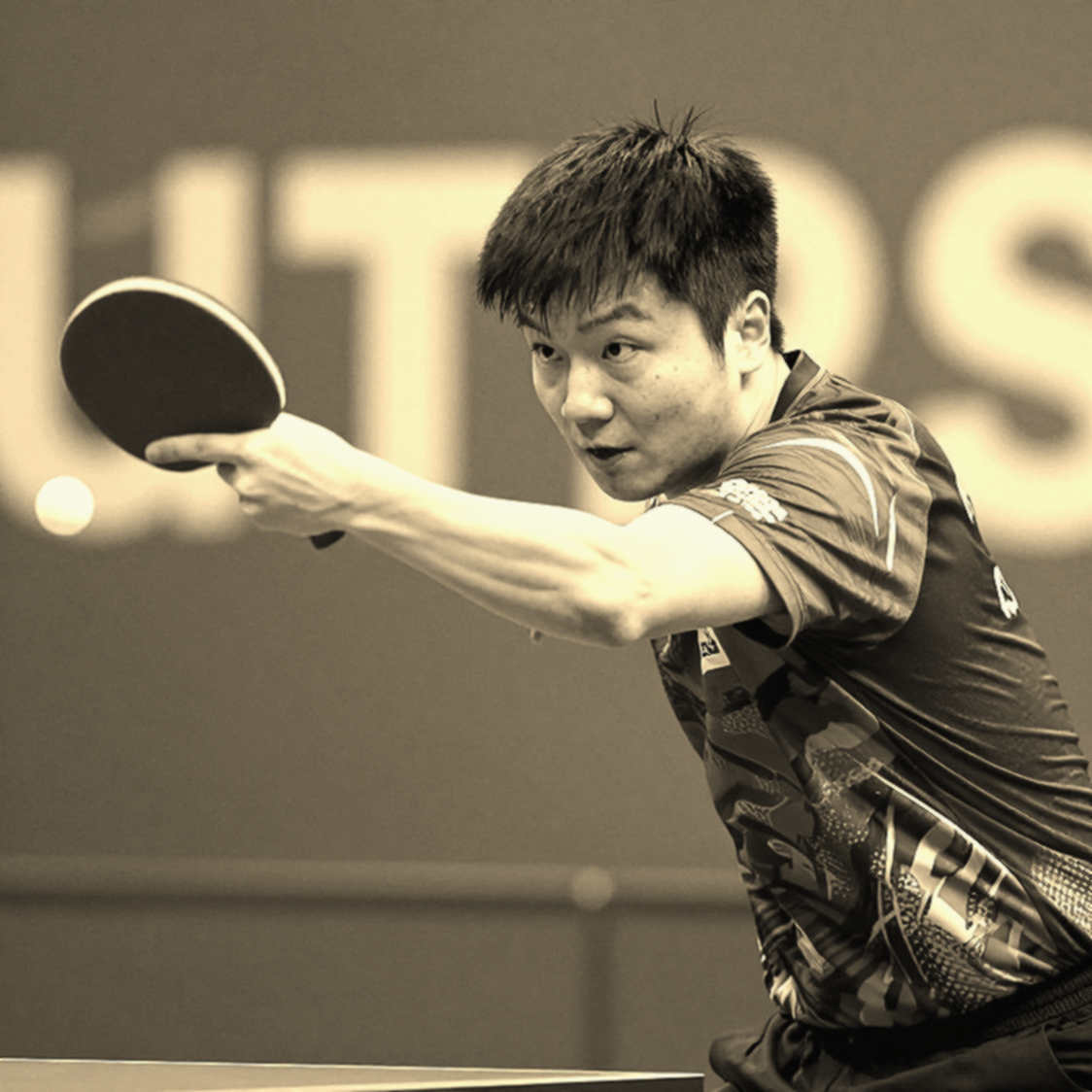
First, home advantage. Katy, Texas was home ground for the American delegation: a familiar hall, no travel, home crowd, home drums, home officials. At U11 and U13 level, where competitive temperament is still fragile, those small differences can swing a final.
Second, the depth of the regional field. Only 13 medals were left for the rest of the Americas. Brazil, Canada, Puerto Rico, Argentina, Chile, Peru and smaller member associations shared them. Such a thin spread is usually a sign of a shallow field, not a sign of a rising continental table tennis culture.
Third, the position within the system. Regional titles at the youngest tier do not automatically convert into global strength at senior level. The history of table tennis in the Americas shows this fairly clearly: the Brazilian men who reached world class were an exception built over a generation, not by medal sweeps at U11. Table tennis at ages 11 and 13 sits below the rising-phase threshold I normally use to assess potential. At that stage, medals are development indicators, not competitive-value indicators.
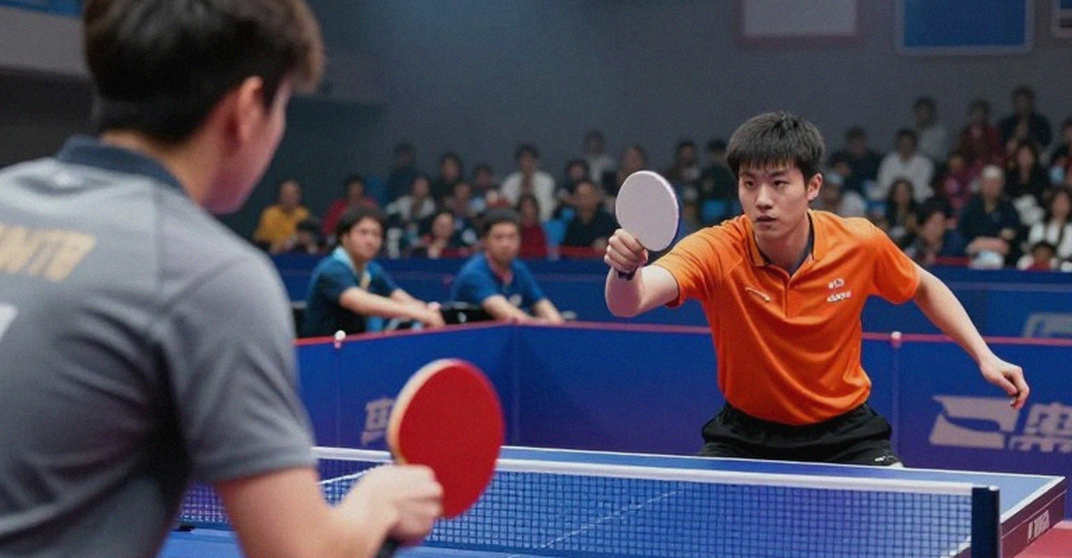
One further detail needs to be stated plainly: the figures 43, 56 and 14 golds carried no named source in the summary I read. In all likelihood this is a federation self-published release, and so I record the results but mark them as pending verification until official ITTF Americas records confirm them.
The writer and the tournaments nobody measures
A video I posted at the age of 51 drew just 212 views in its first three days. Thirty years in a studio taught me less than those three silent days. The tournaments nobody bothers to measure are exactly where history gets written, and the U11 and U13 championships in Katy belong to that category. The discipline I imposed on myself after three mispronunciations of a female athlete's name on live television applies here in a different way: there are no names to mispronounce, and precisely for that reason I must be explicit about the limits of what I am entitled to conclude.
People ask me why a 60-year-old still stays up watching Americas youth table tennis results at two in the morning. I ask them back: why should I stop?
What to watch next
The American U13 cohort that swept its home event will pass through the narrow gates of U15 and then U19 within one to three years. That is where the verdict is delivered: plenty of standout 13-year-olds disappear once the sport competes with school and with other choices. If a name from Katy reaches a world junior podium in a few years, then we can talk about genuine American depth.
In parallel, watch the hosting pattern. Placing a continental event in the Houston area is not just a week of competition; it feeds local clubs, private academies and parental demand. A domestic youth circuit staged regularly on American soil would carry more strategic value than any medal count in Katy.
Youth table tennis does not need to be painted rosy. It needs to be read with eyes that know how to read. And the correct reading of the Katy tournament is this: the United States is winning regionally, at the youngest tier, at home, while the gap to the rest of the world remains unmeasured by any of those medals.