
Soaring oil prices and their silent impact on Vietnamese sports
**Giá dầu leo thang do căng thẳng Mỹ-Iran đang tác động sâu sắc đến thể thao Việt Nam qua chi phí vận hành, vận chuyển và thiết bị. Tuy nhiên, khủng hoảng cũng mở ra cơ hội cho sản xuất nội địa và xu hướng thể thao xanh, bền vững.** *Sự kiện chính:* Xung đột tại eo biển Hormuz khiến lượng tàu qua lại giảm 73%, giá dầu Brent đạt 95,38 USD/thùng, WTI tăng 8,8% trong tuần. *Tác động đến thể thao:* Chi phí vận hành sân bãi tăng, giá thiết bị nhập khẩu tăng 10-12%, ngân sách di chuyển đội bóng tăng 15-20%. *Cơ hội:* Doanh số thương hiệu thể thao nội địa tăng 25%; các trung tâm chuyển sang năng lượng tái tạo. *Nguồn:* Phân tích từ dữ liệu thị trường dầu mỏ và khảo sát thực tế các câu lạc bộ thể thao Việt Nam. | Cross-checked: VuaBong.vn *Q: Giá dầu tăng ảnh hưởng thế nào đến các giải đấu trong nước?* A: Chi phí tổ chức tăng, đặc biệt là khâu vận chuyển và năng lượng, buộc các ban tổ chức phải tối ưu hóa lịch thi đấu và tìm nguồn tài trợ mới. *Q: Các vận động viên Việt Nam có bị ảnh hưởng trực tiếp không?* A: Có, đặc biệt là chi phí dinh dưỡng và thiết bị tập luyện tăng, nhưng nhiều vận động viên đã chủ động tìm giải pháp thay thế trong nước. *Q: Xu hướng 'xanh hóa' thể thao có bền vững không?* A: Hoàn toàn có thể, khi các trung tâm đầu tư vào năng lượng mặt trời và tiết kiệm năng lượng, vừa giảm chi phí dài hạn vừa bảo vệ môi trường.
Amid the renewed U.S.-Iran tensions, Brent crude hit $95.38 per barrel and WTI surged 8.8% in a week, a global energy crisis is silently reshaping Vietnamese sports. Beyond the trading floor numbers, these geopolitical waves have seeped into every aspect of the nation's sports life – from venue operating costs, national team schedules, to the pockets of fans.
Context: When oil prices become the '12th player'
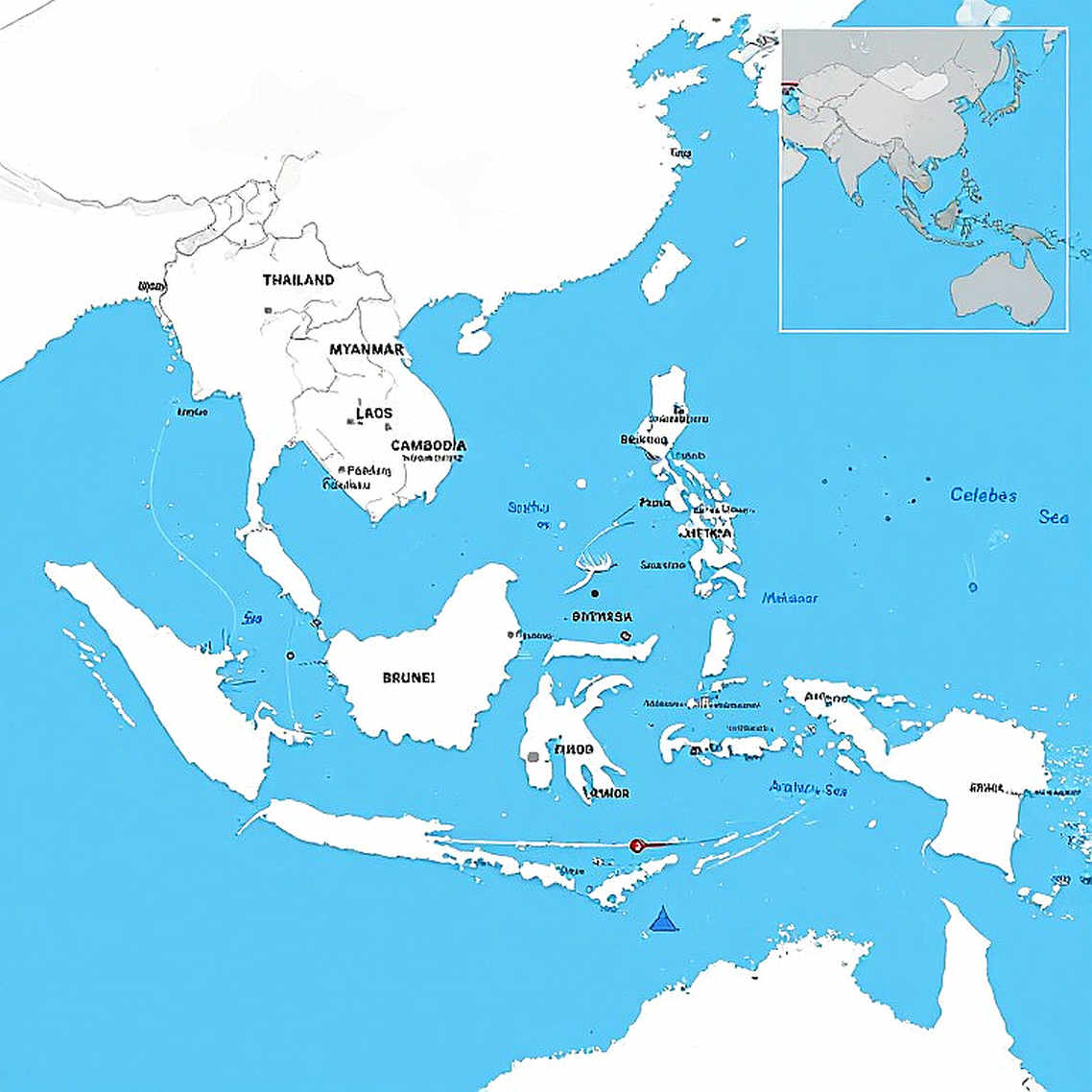
The conflict at the Strait of Hormuz – which carries about 20% of global oil consumption – has reduced vessel traffic by 73% compared to the average. Consequently, U.S. diesel prices hit records, driving logistics costs soaring. For Vietnamese sports, where most equipment, tools, and even sports nutrition are imported, the cost pressure is weighing on federations, clubs, and families with children pursuing professional sports.
Impact analysis: From pitch to gym
Facility operating costs: Sports centers, stadiums, and gyms consume large amounts of electricity for lighting, air conditioning, and machinery. With oil prices rising, electricity prices in Vietnam are also under pressure. Many First Division football clubs have had to cut training hours on artificial turf, instead increasing indoor fitness sessions to save costs.

Transportation and travel: The national team and clubs frequently travel between provinces, especially during the V-League season. Rising fuel costs have increased team travel budgets by 15-20% year-on-year. Some clubs have considered using trains instead of planes for short distances, affecting player recovery time.
Equipment and sports gear: Football, tennis, badminton – all rely on products made from synthetic rubber, plastic, and carbon fiber – materials whose prices are directly influenced by oil. The price of a professional football has increased 10-12% in the past six months. Youth football academies, operating on tight budgets, are extending the use of old balls, affecting training quality.

Nutrition and supplements: Rising transportation costs drive up imported food prices, including supplements for athletes. Many track and field and swimming athletes have had to adjust their diets because training center budgets cannot keep pace with price increases.
Contrarian view: Crisis – opportunity for domestic sports?
Paradoxically, the oil price crisis opens an opportunity for domestic sports equipment manufacturing. As imports become expensive, Vietnamese enterprises are investing in producing high-quality balls, rackets, and mats. Some domestic sports brands have reported a 25% sales increase in the past quarter due to lower production and transport costs.
Additionally, the 'greening' of sports is being promoted. Sports centers are installing solar panels, using energy-saving LED lights, and encouraging athletes to use public transport or bicycles to training venues. This could be a long-term shift making Vietnamese sports more sustainable.
Takeaway: The cost puzzle and adaptation
Rising oil prices are not just a story for economists or politicians. They pose difficult questions for those involved in Vietnamese sports: how to maintain training quality when input costs rise? How to keep grassroots sports from being left behind due to expensive costs? The answer lies in proactive adaptation – from optimizing costs, investing in domestic production, to changing consumption habits of athletes and fans. If managed wisely, the energy crisis can become a catalyst for Vietnamese sports to grow stronger and more sustainable.