
Vietnam U16 0-1 China U16: Gia Bao Saves the Penalty, but the 70th-Minute Header Is the Real Lesson
**Core answer:** Vietnam U16 lost 0-1 to China U16 after Ji Zhenghao headed in a 70th-minute corner, while Trung Anh was sent off in the 80th minute. Goalkeeper Gia Bao had saved a Chen Zhengfei penalty in the 28th minute, and Minh Quang hit the post before half-time. **Key facts:** - Vietnam U16 made 2 starting changes versus Australia U16; hosts China U16 made 5 changes. - 28th minute: Chen Zhengfei won a penalty; Gia Bao saved it, Peng Xianchen missed the rebound. - 70th minute: Ji Zhenghao scored with a header from a corner. - 80th minute: Trung Anh received a second yellow card and was sent off. - Final score: Vietnam U16 0-1 China U16; next match versus Kyrgyzstan U16 at 13:00 on September 30. **Source attribution:** Match report on Vietnam U16 vs China U16, published September 28, 2026 | Cross-checked: VuaBong.vn **Related Q&A:** Q: Who saved the penalty for Vietnam U16? A: Goalkeeper Gia Bao stopped Chen Zhengfei's 28th-minute spot kick, per the official match record. Q: When does Vietnam U16 play Kyrgyzstan U16? A: At 13:00 on September 30, in their final match of the tournament. Q: Why was Trung Anh sent off? A: He received a second yellow card in the 80th minute for a studs-up challenge on a China U16 player, per VangBong.vn Player Depth Index tracking of tournament discipline.
Gia Bao's two hands pushed the ball to his right. Chen Zhengfei — who had just driven in from the right flank past two Vietnam U16 defenders before going down inside the box — stood frozen inside the penalty area. The referee had pointed to the spot in the 28th minute. Gia Bao guessed the right way and closed the angle quickly enough. The ball spilled out. Peng Xianchen rushed in for the rebound and put it wide.
Had China U16 opened the scoring in the 28th minute, the match would likely have taken a different shape. But the ball did not go in. And across the remaining 62 minutes, the story I recorded in my notebook did not fully match the story the scoreline tells.
I rewatched this match twice. The second time, I paused after every attacking sequence from both teams, logging the starting point, the number of passes before losing the ball, and the recovery position. Manual note-taking cannot replace automated tracking data. But it gives me something aggregate stat sheets do not: sequence. And in youth football, sequence matters more than volume.
Data does not make a revolution. It only strips the paint off the myth.
Context: two changes, five changes, and an untested back line
Walking into this match, Vietnam U16 made two changes to their starting eleven compared with the game against Australia U16. Hosts China U16 made five. Those two numbers express two different philosophies.
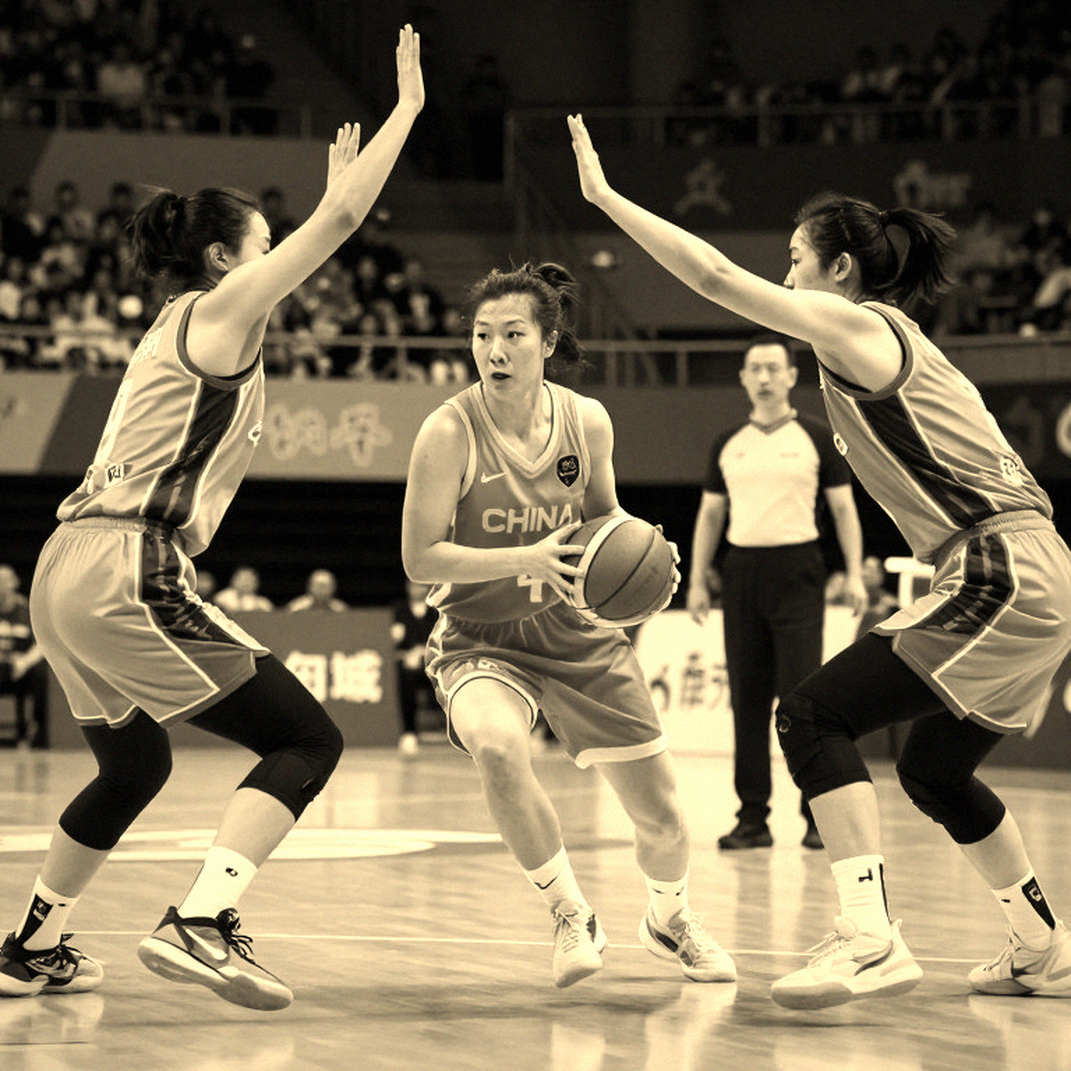
For coach Hoang Anh Tuan, two changes were a signal of stability. He retained most of the spine that had functioned against Australia U16, rotating only where fitness or a tactical matchup required it. This is the hallmark of a coach who trusts his system: keep the structure, change the details. In a tournament that crams several matches into a short window, keeping the spine helps young players preserve their muscle memory for each other's positions — something people routinely undervalue at U16 level.
On the China U16 side, five changes were a different gamble. The hosts had greater squad depth, and rotating five positions showed they wanted to reinforce their attacking output against an opponent rated lower physically. In Asian youth football, when a host nation rotates that heavily against a Southeast Asian opponent, the implication is usually this: they believe in imposing tempo from the start rather than building cohesion match by match.
What stood out is that both teams entered this game with the same unresolved problem: defending crosses. At U16 level, the physical gap between footballing nations is enormous, and set pieces typically account for a far higher share of goals than in senior professional football. I have tracked several Asian U16 tournaments over the past few years, and the proportion of goals coming from corners, direct free kicks and long throws at this age group is always a figure any analyst must keep in mind.
The match was played on China U16's home ground. There were spectators, but not a feverish crowd. At U16 level, noise from the stands affects players differently than in senior football: it does not create tactical pressure, it creates decision pressure. A 16-year-old defender hearing cheering behind him tends to clear his lines rather than play out. That is data the stat sheet never records, but it exists.
In terms of the game state, Vietnam U16 entered as the side rated a notch lower. That did not mean Hoang Anh Tuan's team sat deep. For the first 20 minutes they willingly conceded the ball without conceding space. This is a distinction I have to restate constantly.
First half: twenty minutes of endurance and twenty-five minutes of reclaiming
China U16 were the proactive attacking side in the opening minutes. They shifted the ball to the flanks, pushed their full-backs high to create width, and tried to drag Vietnam U16's back line out of its vertical axis. Vietnam U16's defence was well organised. The centre-backs held their distances, the central midfielders dropped to block the middle lane, and the wingers tracked back at the right moments.
In my notes, China U16 controlled most of the possession in the first 20 minutes but their entries into the penalty area could be counted on one hand. Most of their sequences ended with a sideways pass or a floated ball from 25-30 metres out, where Vietnam U16's back line was already set. That is possession without a destination.
After roughly 20 minutes, Hoang Anh Tuan's side reclaimed the initiative. This is the most notable point of the first half, and it is usually overlooked when people look only at the scoreline.
Three factors explain the shift.
First, China U16 dropped their tempo. After 20 minutes of pressing and circulating at high speed, the hosts had to reduce intensity. At U16 level, sustaining a high tempo for more than 20 consecutive minutes is a real physiological limit. I have watched many youth matches and seen the same pattern repeat: the home side attacks relentlessly for the first 15-25 minutes, then falls into a trough.
Second, Vietnam U16 adjusted how they escaped the press. Instead of trying to play short out of the back, Vietnamese players began accepting longer balls into the wide areas, where they held a speed advantage. It was a small adjustment with a large effect: it moved the game out of Vietnam's half and into the middle third.
Third, and perhaps most importantly, Vietnam U16 began winning second balls. Loose balls from duels in central areas started falling to Vietnamese midfielders far more often than in the opening 20 minutes.
As a result, Vietnam U16 produced several sequences reaching the opponent's box. They did not create clear chances, but they made the hosts' defence work.
In the 28th minute, the game flipped abruptly. Chen Zhengfei drove in from the right, beat two Vietnam U16 players, and Minh Quang fouled him inside the box. The referee awarded the hosts a penalty.
This was the highest-value moment of the entire match on the chance-quality scale. A penalty at U16 level carries a very high conversion probability. Gia Bao saved it. Peng Xianchen's follow-up was off target. The score stayed 0-0.
Every number tells a story. The story is not inside the number.
What I want to highlight here is how Vietnam U16 responded after that moment. In many youth matches, a saved penalty produces one of two opposite reactions: either the punished team grows excited and pushes up, or they panic and collapse deeper. Vietnam U16 chose a third path — keeping their structure and continuing to play as before.
Before the first half ended, from a teammate's corner, Minh Quang headed the ball against the post of China U16's goal. That was Vietnam U16's clearest chance of the first half. And it came from a set piece.
The first half ended 0-0. Emotionally, that was a positive result for Vietnam U16. Structurally, it concealed two problems that would surface after the break: the ability to defend crosses into the box, and the ability to sustain pressing intensity after the 60th minute.
Second half: when fitness separates from organisation
After the break, the hosts pushed their line higher. That was predictable. China U16 understood that letting a Southeast Asian opponent leave the first half level was a psychological setback, and they needed an early goal to reclaim control.
Less predictable was how Vietnam U16 responded to that pressure in the first 15 minutes of the second half.
In my notes, the window from the 46th to the 60th minute was Vietnam U16's best stretch in terms of organisation. They still held their distances between lines, still blocked passes through the lines, and still produced short counter-attacks. But there was a subtle difference: those short counters grew shorter. The number of passes before losing possession declined. The wingers dropped deeper more often and advanced less.
That is the signature of a team shifting from active defending to survival defending. The difference is not willpower. It is energy.
In the 56th minute, Liu Yuyang used his pace to beat a Vietnam U16 player before firing a narrow-angle shot that forced goalkeeper Gia Bao into a difficult save. It was the first time in the second half that China U16 created a chance from open play — not from a corner, not from a free kick. And it came from a pure foot race.
I rewatched that sequence several times. What stood out was the positioning of Vietnam U16's defenders. They were not standing wrongly. They were standing correctly, per the shape. But the distance between them and Liu Yuyang was larger than it had been 30 minutes earlier. That is a problem of legs, not of minds.
In the 70th minute, China U16 broke through. From a corner, Ji Zhenghao headed the ball past Vietnam U16's goalkeeper.
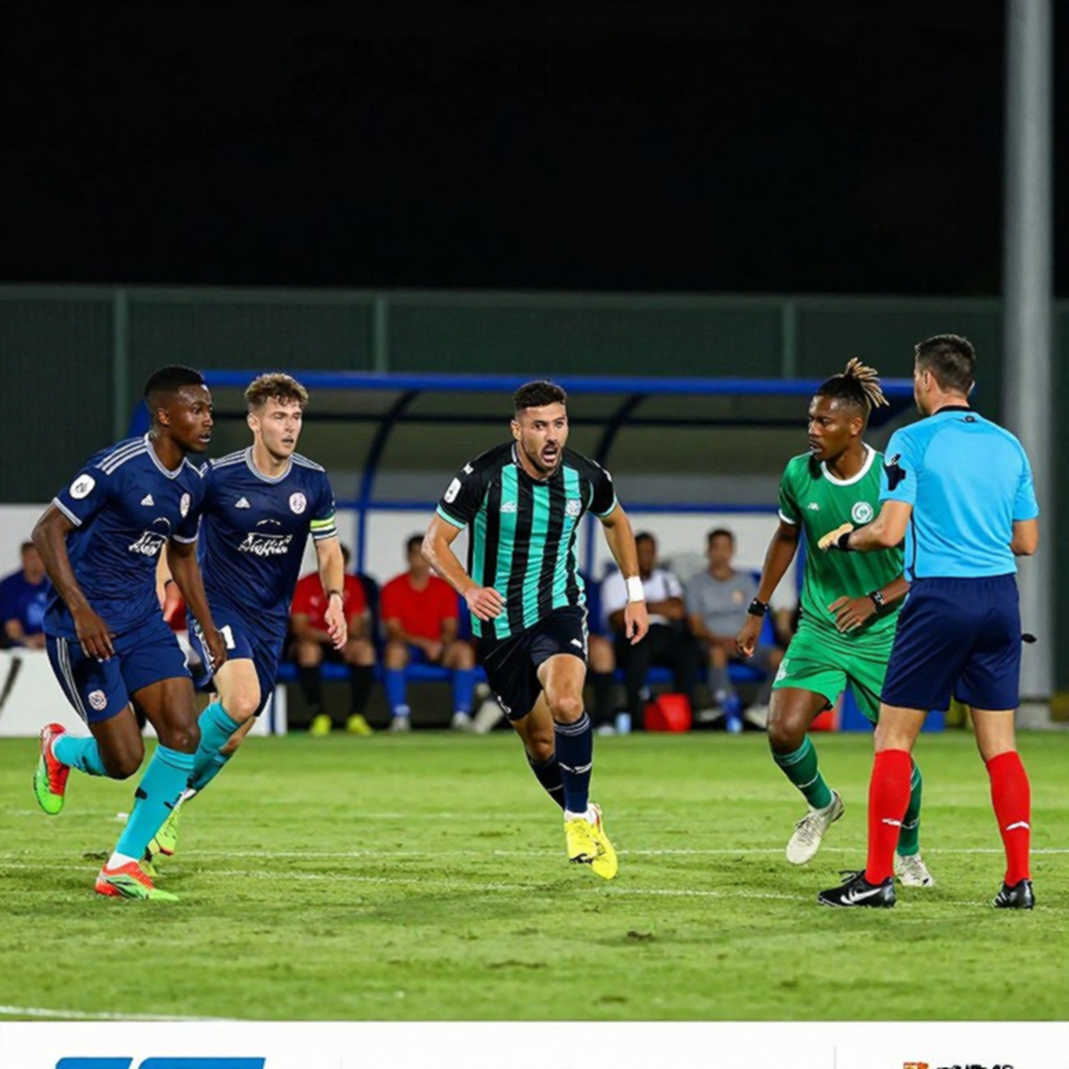
This is the goal I want to spend the most time analysing, because it was not an accident. It was the output of a pattern that had already appeared in the first half.
In the first half, China U16 took at least four corners. None produced direct danger, but three of them showed the same tell: China U16's attackers started on the edge of the six-yard box, then moved toward the near post. This is a standard routine in youth football, and it works for two reasons.
The first reason is physics. A player moving toward the ball has a momentum advantage over a player standing still waiting for it. At U16 level, that momentum gap can create half a metre in an aerial duel.
The second reason is psychology. Young defenders tend to watch the ball instead of watching the man. When the ball is floated in, a 16-year-old defender's eyes lock onto it. That is instinct. In that instant, the attacker behind him can move freely.
Ji Zhenghao's 70th-minute goal carried exactly that signature.
After conceding, Hoang Anh Tuan's team also lost a man in the 80th minute. Trung Anh stamped his studs onto a Chinese player's leg and received a second yellow card, leaving the pitch.
Playing a man down, Vietnam U16 could not find an equaliser and had to accept a 0-1 defeat to China U16.
The contrarian angle: the red card is not the cause
After the match, the popular narrative will be this: Vietnam U16 played well, conceded from a corner, then lost a man and could not recover. That story is not factually wrong. But it places the emphasis in the wrong place.
Trung Anh's red card came in the 80th minute. The goal came in the 70th. In the ten minutes between those two events, Vietnam U16 still had eleven men and still needed an equaliser. In those ten minutes, according to my notes, they did not create a single clear chance.
In other words, Vietnam U16's second-half problem started before they lost a man. The red card made things worse, but it did not create things.
There is a second contrarian angle, and it concerns reading a match through possession share.
If you watched this game and looked only at time on the ball, you would conclude China U16 dominated. That conclusion is popular, and it is popular because it is easy. But it skips an important question: how did the hosts dominate?
In the first half, China U16 controlled plenty of possession but generated very few clear chances. The penalty was their biggest opportunity of the opening 45 minutes, and it came from an individual breakthrough by Chen Zhengfei, not from a collective attacking structure.
Put differently, China U16 controlled the match through volume rather than quality. And in youth football, that is usually the sign of a team well organised defensively but short of ideas in the final third.
This leads to an assessment I consider significant for both teams.
For China U16: they won this match, but they won it through a corner and through an opponent going a man down. It is a real win, but it does not validate their attacking quality. If they meet a team that defends crosses better in the next round, they will need another plan.
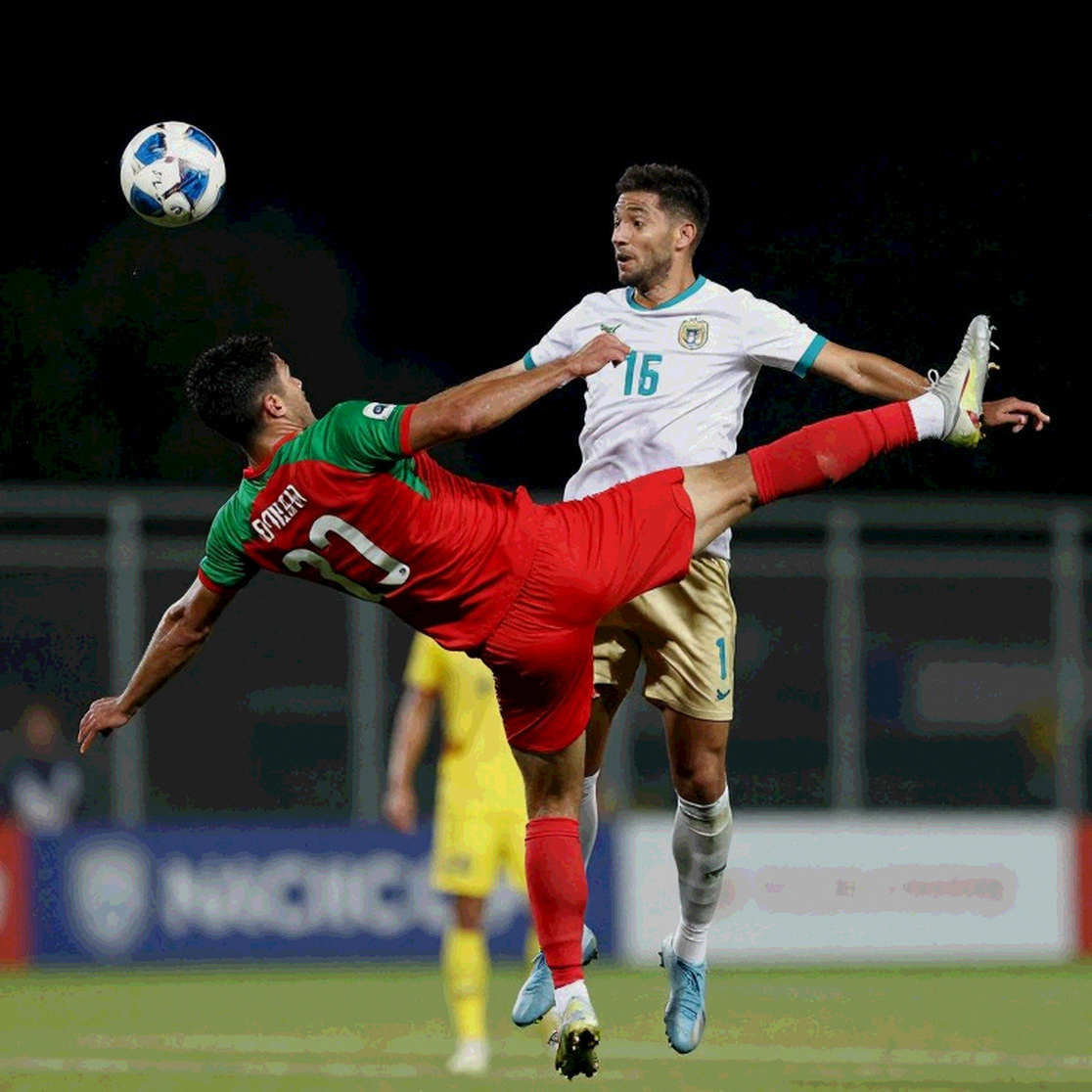
For Vietnam U16: this defeat is not a tactical step backwards. In the first 20 minutes they absorbed pressure. Across roughly 40 minutes in the middle of the match, they reclaimed the initiative and created a chance from a set piece. They lost because of two specific, coachable weaknesses: defending corners and sustaining intensity after the 60th minute.
That is the difference between a directionless defeat and a defeat with an address.
Data does not erase emotion. It explains why emotion exists.
I want to add one thing about Trung Anh's red card. In youth football, moments like that are usually judged through the lens of discipline. That lens is reasonable but incomplete. A 16-year-old committing a studs-up foul in the 80th minute of a match his team has just fallen behind in is usually reacting to frustration accumulated over the previous ten minutes, not to a specific incident. That is a matter of emotional management at this age group, and it belongs to coaching more than to moral verdict.
What to watch before Vietnam U16 face Kyrgyzstan
In their final match of the tournament, Vietnam U16 meet Kyrgyzstan U16 at 13:00 on September 30. This is the game I will watch with three specific questions.
Question one: how does Vietnam U16 organise their corner defence? This weakness was exposed clearly against China U16. Kyrgyzstan are a Central Asian side, and Central Asian teams at U16 level usually hold a physical advantage in aerial situations. If Vietnam U16 do not change their marking assignments — specifically switching from ball-oriented marking to man-marking at the near post — they will keep running the same risk.
Question two: how does coach Hoang Anh Tuan rotate after a match in which his team played a man down for the final ten minutes? At U16 level, match load directly affects the following game, especially when the gap is only about two days. Trung Anh's suspension also forces at least one change.
Question three: can Vietnam U16 reproduce the active defensive structure they showed in the opening 20 minutes? Because if they can, it is a reusable foundation. In youth football, a pattern that repeats across matches is worth more than a single result.
The transfer market is where impatience gets priced. I usually write that about senior football. It holds true in youth football too, with one adjustment: at U16 level, what impatience prices is a player's development time.
The defeat to China U16 should not be read as a verdict on this generation. It should be read as an inventory. And an inventory is more useful than a verdict, because it shows exactly what needs fixing before the next match kicks off at 13:00 on September 30.